Are Natural Ingredients Always Better? Here’s the Real Answer
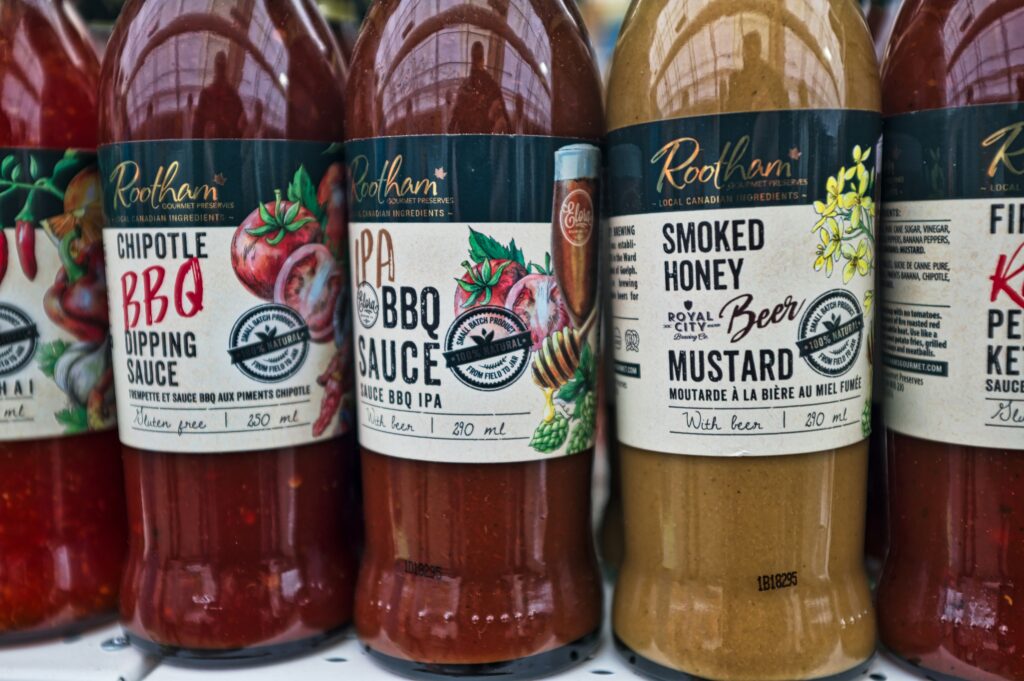
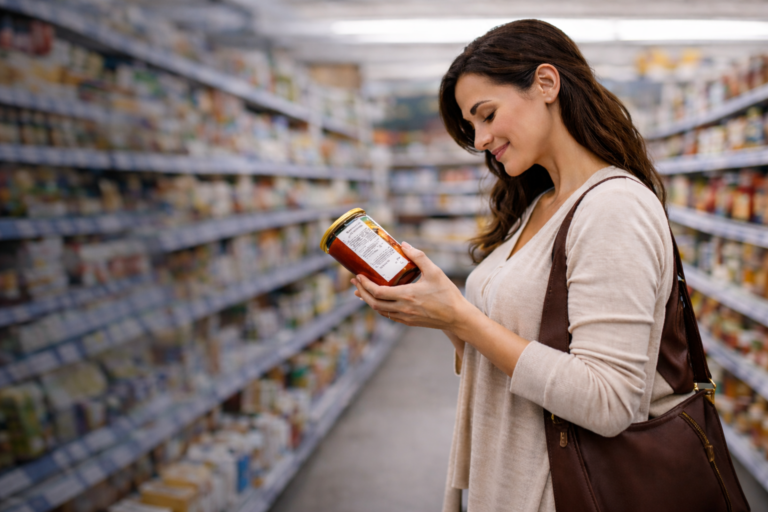
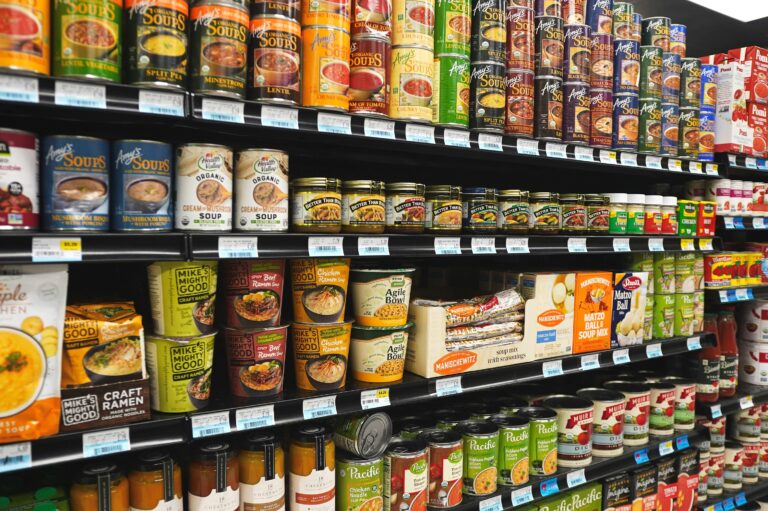
Walk through any supermarket, and you will notice that the word natural appears everywhere on snack bars, flavoured waters, breakfast cereals, and sauces.
It feels reassuring. It implies something wholesome, minimally processed, and safe.
But here is the problem: in most countries, that word carries no enforceable legal definition when it appears on a food label.
What Does “Natural” Actually Mean on a Label?
In the United States, the FDA has acknowledged it has not engaged in rulemaking to establish a formal definition for the term “natural.”
Its longstanding informal policy is simply that nothing artificial or synthetic has been included in, or added to, a food that would not normally be expected to be there. That is it. No rule on pesticide use, rule on how heavily the ingredient was processed, or any rule on GMOs.
In the European Union, the word “natural” is not a regulated front-of-pack claim either. What the EU does regulate strictly is the ingredient list itself; every additive must be declared by name or E number along with its functional class. The claim on the front of the pack and the reality in the ingredient list can be two very different things.
This gap between marketing language and regulatory fact is exactly why reading the ingredient list, not the front of the pack, remains the only reliable way to understand what is in your food.
So What Is the Actual Difference?
In scientific and regulatory terms, food ingredients and additives are broadly grouped by their origin:
1. Natural ingredients are derived from plant, animal, or microbial sources with minimal chemical transformation. Examples include curcumin (E 100) extracted from turmeric, annatto (E 160b) from the seeds of the achiote tree, and citric acid (E 330) produced by fermenting sugars.
2. Synthetic ingredients are manufactured through industrial chemical processes, either by replicating molecules found in nature or creating entirely new ones. Tartrazine (E 102), a yellow food dye, and sodium benzoate (E 211), a common preservative, fall into this category.
3. Nature-identical ingredients are molecules that exist in nature but are produced synthetically because it is more cost-effective. Vanillin, the primary flavour compound in vanilla, is a well-known example. Produced naturally from vanilla beans, it is also synthesised from wood pulp or petrochemical sources and the two molecules are chemically identical.
Does Natural Automatically Mean Safer?
This is the question most consumers are really asking, and the regulatory answer is instructive.
Under EU law, food ingredients must meet the same safety standard regardless of whether they are naturally or artificially derived.
The FDA echoes this position. Both the FDA and EFSA evaluate additives on the basis of their toxicological profile what the substance does at given exposure levels, not on the basis of its origin.
This principle matters in practice. Some entirely natural compounds are toxic at sufficient doses. Aflatoxins, for example, are naturally occurring moulds that are strictly controlled in food because of their potency as carcinogens.
Conversely, many synthetic additives have decades of well-characterized safety data and established Acceptable Daily Intake (ADI) values that place them well within safe consumption ranges. Origin alone is not a proxy for safety. Dose, exposure, and regulatory evaluation are.
What to Look for on the Label?
Because the front-of-pack claim “natural” is largely unregulated, the ingredient list is your primary tool. A few things to keep in mind:
The term “natural flavours” is itself a defined category under FDA regulations (21 CFR §101.22), meaning the flavouring substance must be derived from a plant or animal source but it can still contain synthetic processing aids. It does not mean simple or unprocessed.
In the EU, ingredients listed by their E number can be either natural or synthetic. E 300 is ascorbic acid essentially vitamin C. E 102 is tartrazine, a synthetic azo dye. The number alone tells you nothing; what matters is looking up the compound and understanding its function and regulatory status.
At CheckTheLabels.com, every E number and ingredient name in our database includes its origin, approved uses, and current regulatory standing so you can move beyond the front-of-pack and make decisions based on what is actually in the product.
The Bottom Line
“Natural” on a food label is a marketing term.”Synthetic” is not automatically a warning sign. What matters is the specific ingredient, its approved use level, and the evidence behind its safety assessment.The next time a product claims to be “all natural,” flip it over and read the ingredient list. That is where the real information lives.
Data and regulatory positions referenced in this article are drawn from the U.S. Food and Drug Administration (FDA) Use of the Term “Natural” on Food Labeling; the European Food Safety Authority (EFSA); and FDA 21 CFR §101.22 (Natural Flavours). All positions cited reflect publicly available official statements.